
Blog Post
United With Stands
How Manchester United Could Power Local Regeneration
It may be hundreds of miles from Westminster, but Manchester United’s latest announcement to build a new 100,000-seater stadium feels like a politically savvy move. The press release hit the ground running, with an opening line that couldn’t be clearer:
“Manchester United has thrown its support behind the Government’s growth agenda by announcing its intention to pursue a new 100,000-seat stadium as the centrepiece of the regeneration of the Old Trafford area.”
It’s a smart and strategic play to go on the attack with that. For a project of this scale, political backing—both local and national—is essential. After all, the club doesn’t want to shoulder the financial burden of the extensive infrastructure upgrades that will be required. This isn’t just about football; it’s about something much bigger, a project that could reshape a significant part of Manchester’s urban landscape.
For many Manchester United fans, particularly those living in the city, it may feel odd to look to London for inspiration on what a new stadium can achieve. But, in terms of regeneration, that’s exactly where United should be looking. Stadiums in the capital like Tottenham Hotspur’s and the London Stadium in Queen Elizabeth Olympic Park have been at the heart of the regeneration in their respective areas. These projects show just how powerful a stadium can be as a catalyst for change.
Take the new Tottenham Hotspur Stadium. Not only is it a modern engineering marvel, but it also sits in the heart of one of the areas most affected by the 2011 riots. While regeneration in the region is still ongoing, the new stadium has undoubtedly been a major driver of change. Its presence in the community has helped attract further investment, transforming the area and offering a blueprint for how stadiums can play a pivotal role in revitalising a district.
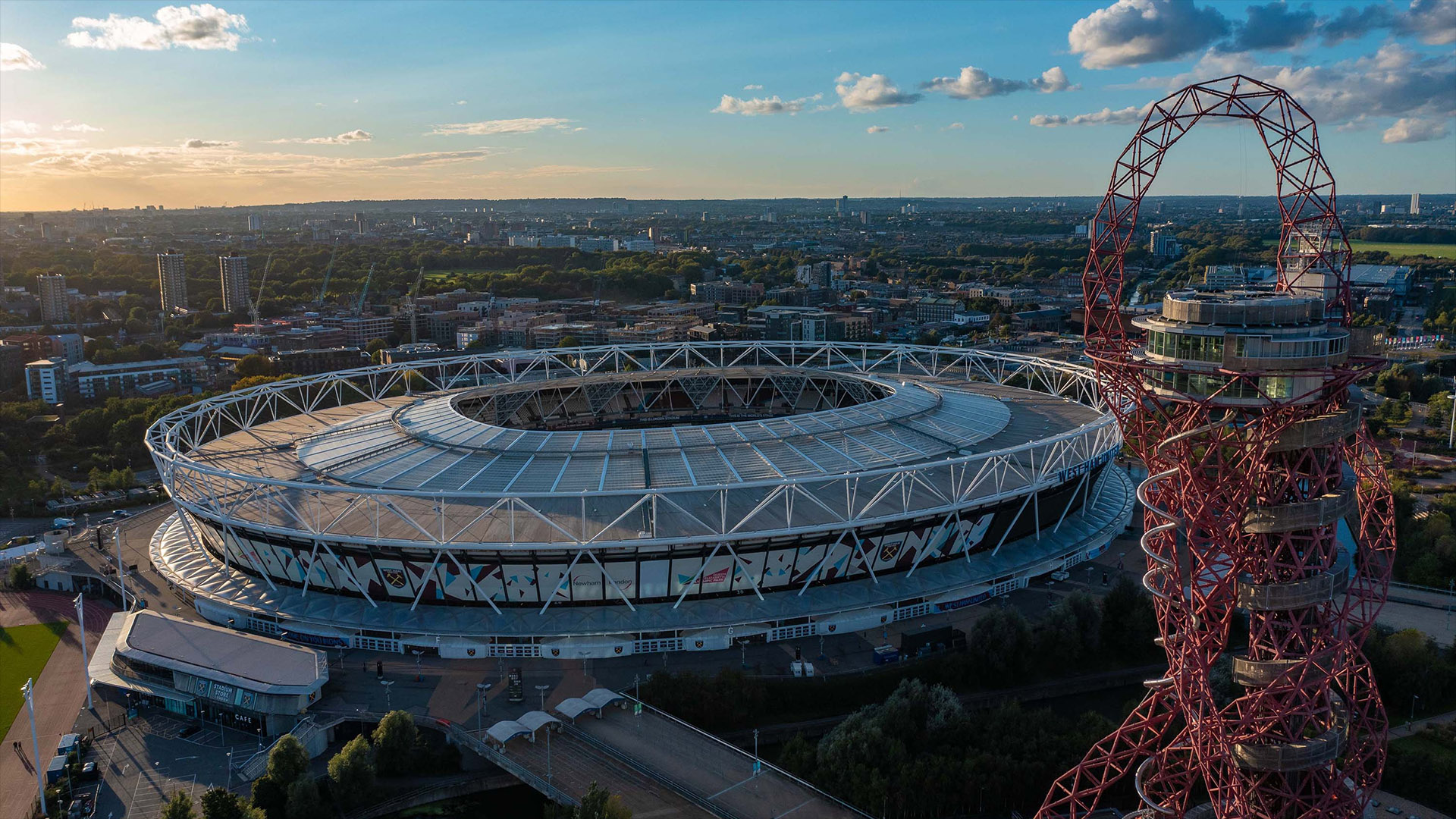
Just a few miles south, the London Stadium is another prime example. When you look at the redevelopment of east London after the 2012 Olympics, it’s impossible to ignore the critical role the London Stadium has played. Having worked closely with the excellent stadium team for several years, I can tell you this: without the stadium, the regeneration of Queen Elizabeth Olympic Park would be unrecognisable. While it’s true that taxpayers contribute to its running costs, the value it brings locally—and London and the UK as a whole—far outweighs the expenditure.
London Stadium has injected life and energy into the local economy, drawing thousands of visitors, creating jobs, and providing a platform for major international events. Take, for example, the sold out Major League Baseball games. A weekend of baseball can generate over £60 million in spend, with 30% of the crowd coming from overseas. These events help to put east London on the global map, driving tourism and business investment.
It’s easy to criticise a project like the London Stadium, but its impact on the local and national economy cannot be understated. London’s balance sheet benefits from the regeneration it has sparked, positioning the city to host some of the world’s largest events, maybe even the 2040 Olympics and Paralympics?
So, as Manchester United moves forward with its stadium plans, it should continue to champion regeneration and growth. Much like the vision behind London 2012, thinking big and aiming high can fuel enthusiasm, create opportunities, and deliver a home win—both on and off the pitch.
Latest News
Subscribe to Our Newsletter
Get Started
Ready To Make An Impact?
Let’s start a conversation about how we can make a lasting impact on your business or event.


Contacts
+44 (0)7939 188889